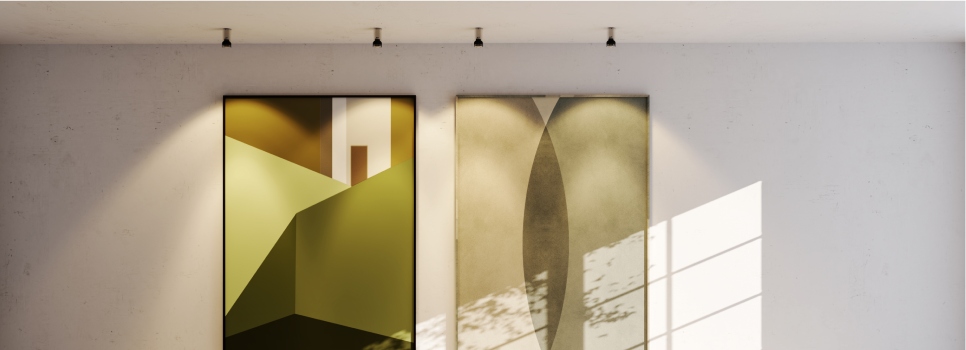
The Role of Contemporary Art Galleries
Art galleries serve as vital spaces where artists, collectors, and the public connect. They not only display artworks but also curate narratives that help visitors understand context, technique, and cultural significance. In many cities, contemporary galleries have become cultural hubs, offering lectures, workshops, and interactive exhibitions that expand the reach of art beyond the canvas.
Galleries are more than exhibition spaces - they are incubators for creativity. They provide artists with a platform to experiment, engage with new media, and present works that might not fit traditional molds. By highlighting emerging and established artists, galleries play a crucial role in shaping art history while supporting the growth of contemporary practices.
Supporting Emerging Artists
One of the key roles of contemporary galleries is discovering and nurturing emerging talent. These artists often bring fresh perspectives, experimenting with materials, technology, and forms of expression that challenge conventional ideas.
- Galleries offer mentorship, exhibition opportunities, and critical exposure.
- They connect artists to collectors, curators, and international networks.
- Programs such as residencies and collaborative projects help artists develop their practice and build sustainable careers.
Exhibitions and Public Engagement
Contemporary galleries frequently focus on engagement, transforming the visitor experience into an interactive journey. Exhibitions often combine visual, auditory, and digital elements, encouraging audiences to interpret artworks in personal ways.
Workshops, artist talks, and live events offer deeper insights into the creative process. Visitors not only see the final work but also learn about the ideas and labor behind it. This approach fosters a sense of connection between the audience and the artists, making contemporary art more approachable and meaningful.
Trends in Contemporary Art
The contemporary art world changes constantly, mirroring the events happening all over the world, movements by ordinary people and actions made by technology. Artists today are well-versed in creating hybrids, mingling with media and genres.
Digital art, video installations, interactive work, and the like are gaining popularity. Among the usual suspects are identity, global changes where climate is concerned, and modern dualism/globalization. Exhibitions attempt to enable the public to explore the world critically. Contemporary art means work that reaches out of the usual gallery setting and enters into public space or online domains and allows for immersive environments.
Interdisciplinary Practices
Many contemporary artists combine multiple disciplines, blending painting, sculpture, performance, and digital media to create complex, layered experiences. This interdisciplinary approach allows for experimentation and expands the potential of artistic expression.
- Collaborative projects with scientists, architects, or technologists create unexpected insights.
- Immersive installations transform how audiences perceive space, light, and sound.
- Socially engaged art invites community participation, making the art experience collective rather than solitary.
Global Influence and Local Contexts
Contemporary art reflects both global perspectives and local realities. Artists draw inspiration from their cultural heritage while responding to international trends. This duality enriches the art world, offering a variety of voices and experiences.
Galleries often balance showcasing internationally recognized artists with supporting local talent, fostering dialogue between the global and local art scenes. This approach helps audiences appreciate diverse cultural narratives while providing artists with broader visibility.
Spotlight on Artists
Highlighting individual artists allows audiences to connect with creative voices on a deeper level. Contemporary artists often push boundaries, experimenting with unconventional materials, innovative techniques, and socially relevant themes. Through their work, they provoke thought, spark debate, and inspire new ways of seeing the world.
Visitors to contemporary galleries frequently encounter a mix of established and emerging artists, each with a unique vision. By learning about the artist’s background, influences, and creative process, audiences gain insight into the broader trends and ideas shaping contemporary art today.
Ginger Wolfe-Suarez
Ginger Wolfe-Suarez explores perception and space through painting, drawing, and installation. Her work often examines the interplay of light, color, and form, creating immersive experiences that challenge viewers’ visual and emotional responses. By navigating abstraction and representation, Wolfe-Suarez encourages audiences to reconsider their relationship with the environments they inhabit.
Susanne Winterling
Susanne Winterling’s practice incorporates painting, video, and performance to address the boundaries between the visible and invisible. Her work investigates perception, memory, and transformation, often blending traditional techniques with experimental processes. Winterling’s installations invite viewers to engage with subtle shifts in space, sound, and light, revealing layers of meaning that unfold over time.
Why Visit Contemporary Art Galleries?
Visiting contemporary galleries is an opportunity to experience art in real time, engage with innovative ideas, and participate in ongoing cultural conversations. Unlike passive online viewing, gallery visits provide a tangible sense of scale, texture, and presence that digital reproductions cannot replicate.
- Galleries offer curated experiences that contextualize the work for diverse audiences.
- Exhibitions foster reflection and dialogue, allowing visitors to explore complex themes.
- Public programming, such as artist talks or workshops, deepens understanding and accessibility.
Educational Opportunities
Many contemporary galleries offer educational programs for students, families, and adult learners. These programs encourage critical thinking and creativity, providing tools to interpret and analyze art. Guided tours, workshops, and interactive activities help bridge the gap between artists’ intentions and audience perception, making contemporary art approachable for everyone.
Connecting with the Art Community
Galleries create spaces where artists, collectors, critics, and the general public can connect. Networking events, openings, and panel discussions foster collaboration and dialogue. Engaging with this community allows visitors to gain insight into the contemporary art world, support emerging talent, and participate in the evolution of artistic practice.
Experiencing Contemporary Art Today
More than just exhibitions, contemporary art galleries provide full-sensory encounters that bring with them the challenge of today’s multifaceted life. It functions crucially for creative ecosystems and develops a great leap in cultural dialogues, supporting emerging and progressed artists.
Ranging from full forms of installations to surreal conceptual works, abstract paintings, video, and other experiments in media, galleries offer an exciting lens into the art world's permanent whirl. As the field matures, these spaces still cater to new ideas, teaching, and public engagement. They are fundamental for linking artists and audiences with substantial capacities.